

Buying the home is only part of the cost. Here is how much cash Castro Valley buyers should prepare beyond the down payment.

⚡ Quick Answer
First-time buyers in Castro Valley should plan for more than the down payment. In addition to lender and escrow costs, buyers may need cash for inspections, appraisal fees, prepaid property taxes, homeowners insurance, moving expenses, immediate repairs, and post-closing reserves.
A practical target is to keep at least three to six months of total housing expenses available after closing rather than using every available dollar toward the purchase.
Castro Valley’s average home value was approximately $1.13 million as of April 30, 2026, while the average 30-year fixed mortgage rate was 6.52% as of June 11, 2026. At those numbers, underestimating even one category of expenses can create a major cash-flow problem after closing.
Buying your first home is exciting.
It is also where many buyers make one of their biggest financial mistakes.
They calculate the down payment, receive a loan estimate, and assume that number represents everything they will need.
Then the inspection reveals repairs.
The insurance premium is higher than expected.
The lender requires additional prepaid taxes.
The moving truck arrives.
And two weeks after closing, the water heater stops working.
The issue is not always whether you can qualify for the mortgage.
The real question is whether you can comfortably own the home after you receive the keys.
Here is what first-time buyers in Castro Valley should include in their budget.
The Down Payment Is Only the Starting Point
A down payment reduces the amount you need to borrow, but it does not cover the full cost of completing the transaction.
Depending on the property and loan, buyer expenses may include:
- Loan origination and lender charges
- Appraisal fees
- Escrow fees
- Title-related charges
- Recording fees
- Home and specialty inspections
- Homeowners insurance
- Prepaid interest
- Property tax reserves
- HOA transfer or document fees
- Moving and utility setup expenses
The exact allocation of California closing costs can depend on local custom and negotiation between the buyer and seller. Buyers should rely on the lender’s Loan Estimate and Closing Disclosure for the transaction-specific numbers.
The important point is simple:
Your down payment and your closing funds should be treated as separate budget categories.
How Much Cash Could a Castro Valley Buyer Need?
Let’s use a simplified example.
Example Purchase
Purchase price: $1,000,000
Down payment: 10%
Down payment amount: $100,000
Estimated loan amount: $900,000
The average 30-year fixed mortgage rate was 6.52% on June 11, 2026. Your actual rate could be higher or lower depending on credit, loan structure, points, occupancy, and lender pricing.
Beyond the $100,000 down payment, the buyer may need additional funds for transaction expenses, prepaids, inspections, moving costs, and reserves.
A safer planning model might look like this:
|
Expense Category |
Planning Amount |
|---|---|
|
Down payment |
$100,000 |
|
Lender, escrow and title-related costs |
$15,000–$30,000 |
|
Inspections and appraisal |
$1,500–$3,000 |
|
Insurance, taxes and prepaid interest |
$8,000–$18,000 |
|
Moving and utility setup |
$2,000–$5,000 |
|
Immediate repairs or furnishings |
$5,000–$20,000 |
|
Post-closing emergency reserves |
$35,000–$55,000 |
|
Potential total cash target |
$166,500–$231,000 |
These are planning ranges, not quotes. The actual amount depends heavily on the loan, property, escrow schedule, insurance, negotiated credits, and condition of the home.
But this example illustrates an important reality:
A buyer with exactly $100,000 available is probably not financially prepared to put the entire $100,000 down.
Cost No. 1: Inspections
The general home inspection is only the beginning.
Depending on the home, a Castro Valley buyer may also consider:
- Roof inspection
- Sewer lateral inspection
- Chimney inspection
- Pest inspection
- Foundation or structural evaluation
- HVAC inspection
- Drainage evaluation
- Electrical inspection
- Septic or well inspection for rural properties
- Insurance-risk evaluation
Older homes can have excellent construction and character, but they may also contain aging electrical panels, older sewer lines, deferred roof maintenance, drainage issues, or outdated plumbing.
Skipping inspections to make an offer appear stronger can convert a visible purchase cost into a much larger hidden repair bill.
💡 Pro Tip
Do not ask only, “How much will the inspection cost?”
Ask, “What financial risk could this inspection help me identify before I own the property?”
A $500 inspection that uncovers a $20,000 issue may be one of the most valuable expenses in the transaction.
Cost No. 2: Prepaid Taxes, Insurance and Interest
Not every dollar due at closing is technically a “fee.”
Some amounts are prepaid ownership expenses.
Your lender may collect funds for:
- Initial homeowners insurance premium
- Property tax impounds
- Prepaid mortgage interest
- Escrow reserves
- Mortgage insurance, when applicable
These expenses often surprise buyers because they vary depending on the closing date.
Closing near the beginning of a month can produce a different prepaid-interest amount than closing near the end.
Your total cash-to-close can also change between the initial Loan Estimate and final Closing Disclosure as taxes, insurance, credits, and prorations are finalized.
Cost No. 3: Homeowners Insurance
Insurance should be investigated early, not after your offer is accepted.
California insurance conditions can affect:
- Annual premium
- Available carriers
- Deductibles
- Required inspections
- Coverage restrictions
- Whether the property is affordable at all
A home may fit your mortgage budget but become uncomfortable once insurance, property taxes, HOA dues, and maintenance are included.
Request insurance estimates during the contingency period whenever possible.
Do not assume the seller’s current premium will transfer to you.
Cost No. 4: Immediate Repairs
Many buyers believe repairs can wait.
Some can.
Others cannot.
The expenses most likely to appear immediately after closing include:
- Rekeying doors
- Replacing smoke or carbon monoxide detectors
- Correcting active leaks
- Addressing pest damage
- Servicing HVAC equipment
- Repairing appliances
- Improving drainage
- Replacing unsafe electrical components
- Installing window coverings
- Buying basic tools and maintenance equipment
The home does not need to be perfect on day one.
But buyers should distinguish between:
- Cosmetic improvements
- Preventive maintenance
- Safety-related repairs
- Repairs that could cause additional damage if delayed
Paint can wait.
An active plumbing leak should not.
Cost No. 5: Moving and Setting Up the Home
The move itself can become expensive quickly.
Your post-closing budget may need to cover:
- Movers or truck rental
- Packing materials
- Temporary storage
- Utility deposits
- Internet installation
- Cleaning
- Furniture
- Appliances
- Landscaping tools
- Security equipment
- Window coverings
- HOA move-in charges
Trying to fully furnish the home immediately is one of the easiest ways to create credit card debt after closing.
Move in first.
Learn how you use the space.
Then buy intentionally.
Cost No. 6: Your Emergency Reserve
This is the number many buyers sacrifice to increase their down payment.
That can be a mistake.
A homebuyer should ideally retain enough liquid savings to cover at least three to six months of total essential expenses, including:
- Mortgage principal and interest
- Property taxes
- Insurance
- HOA dues
- Utilities
- Basic living expenses
- Minimum debt payments
The correct number depends on job stability, household income, dependents, property condition, and whether the home has major systems nearing the end of their useful lives.
A dual-income household with highly stable employment may feel comfortable toward the lower end.
A solo buyer, business owner, commission-based employee, or buyer purchasing an older property may need a larger reserve.
Should You Make a Smaller Down Payment?
Possibly.
A larger down payment can reduce:
- Loan balance
- Monthly principal and interest
- Mortgage insurance
- Interest paid over time
But putting every dollar into the home can leave you financially exposed.
For example, compare these two buyers:
Buyer A
- Puts 20% down
- Avoids mortgage insurance
- Has only $5,000 left after closing
Buyer B
- Puts 15% down
- Pays mortgage insurance
- Keeps $45,000 available
Buyer A may have the lower monthly payment.
Buyer B may be better protected against repairs, income disruption, insurance increases, or other surprises.
The right answer requires comparing the monthly savings from the larger down payment against the financial risk of having insufficient liquidity.
Do not automatically assume the biggest possible down payment is the smartest strategy.
Can Closing-Cost Assistance Help?
Qualified first-time buyers may be able to use California Housing Finance Agency programs.
CalHFA’s MyHome Assistance Program offers a deferred-payment junior loan of up to the lesser of:
- 3.5% of the purchase price or appraised value with eligible government loans
- 3% of the purchase price or appraised value with eligible conventional loans
The assistance may be used toward the down payment and eligible closing costs. Eligibility requirements include income and loan guidelines, primary-residence occupancy, approved financing, and homebuyer education.
California Dream For All may also offer assistance for eligible first-generation buyers through a shared-appreciation structure. Availability, selection procedures, funding, and program rules should be confirmed directly with CalHFA and an approved lender.
Assistance programs can reduce the initial cash requirement.
However, buyers must understand whether the assistance is:
- A grant
- A deferred loan
- A forgivable loan
- A shared-appreciation loan
- Repayable when the property is sold or refinanced
“Assistance” does not always mean free money.
How to Build a Safer First-Time Buyer Budget
Before touring homes, divide your available cash into four buckets.
Bucket 1: Down Payment
The amount applied directly toward the purchase price.
Bucket 2: Closing Funds
Money for lender charges, escrow, title-related expenses, prepaid taxes, insurance, inspections, and appraisal costs.
Bucket 3: Move-In Funds
Money for moving, utility setup, immediate repairs, locks, cleaning, and basic household needs.
Bucket 4: Protected Reserves
Savings that remain available after the transaction closes.
Do not mix these numbers together.
When buyers say, “I have $150,000 for the house,” the next question should be:
Does that mean $150,000 for the down payment, or $150,000 total?
Those are completely different buying positions.
Questions to Ask Your Lender Before Making an Offer
Ask your lender:
- What is my estimated cash-to-close at this price?
- How much could the number change before closing?
- Are property taxes and insurance included in the estimate?
- Will I have mortgage insurance?
- Am I paying discount points?
- How much prepaid interest should I expect?
- What reserves does the loan program require?
- Would a smaller down payment improve my post-closing position?
- Do I qualify for CalHFA assistance?
- How would seller credits affect my cash requirement and interest rate?
A strong pre-approval should help you understand more than the maximum price you can qualify for.
It should help you identify a price that remains financially comfortable after closing.
The Biggest First-Time Buyer Mistake
The biggest mistake is not necessarily buying too much house.
It is buying with too little cash left over.
A buyer may successfully close and still become immediately house-poor.
That can lead to:
- Credit card balances
- Deferred maintenance
- Stress over normal repairs
- Inability to handle an income interruption
- Delayed retirement contributions
- Difficulty adjusting to higher insurance or property taxes
Homeownership should strengthen your financial position over time.
It should not require constant financial emergency management.
The Bottom Line
Castro Valley remains an attractive entry point for buyers who want East Bay access, established neighborhoods, varied housing options, and long-term ownership potential.
But buyers must prepare for the complete cost of ownership.
The average Castro Valley home value was approximately $1.13 million as of April 30, 2026, and homes were moving to pending in roughly 11 days. That means buyers may need to act decisively—but decisively does not mean recklessly.
Prepare for the down payment.
Prepare for closing.
Prepare for repairs.
And most importantly, protect enough savings to enjoy the home after you buy it.
The structure and buyer-focused approach of this article were modeled after Tim Fiebig’s first-time buyer guide.
Frequently Asked Questions
How much are closing costs for a Castro Valley homebuyer?
The exact amount depends on the purchase price, loan, lender, escrow arrangement, insurance, taxes, prepaid interest, and negotiated seller credits. Buyers should request a detailed Loan Estimate from their lender rather than relying only on a percentage estimate.
How much money should I keep after buying a home?
Many buyers should aim to retain at least three to six months of essential expenses after closing. Buyers with variable income, older homes, or a single household income may need more.
Can I use seller credits for closing costs?
Seller credits may be negotiated and can sometimes be applied toward eligible buyer expenses, subject to the purchase contract, appraisal, loan program, and lender limits. Credits generally cannot be returned to the buyer as unrestricted cash.
Can CalHFA help with closing costs?
Yes. CalHFA’s MyHome Assistance Program may provide eligible first-time buyers with a deferred-payment junior loan that can be used toward the down payment and eligible closing costs. Program limits and qualifications apply.
Should I put 20% down to avoid mortgage insurance?
Not automatically. Avoiding mortgage insurance can reduce the monthly payment, but using nearly all your savings may create greater financial risk. Compare the cost of mortgage insurance with the value of maintaining emergency reserves.
Should I waive inspections to make my offer stronger?
First-time buyers should be extremely cautious about waiving inspections. The potential cost of an undiscovered roof, foundation, sewer, electrical, or drainage problem can far exceed the cost of conducting the inspection.
✍️ About the Author
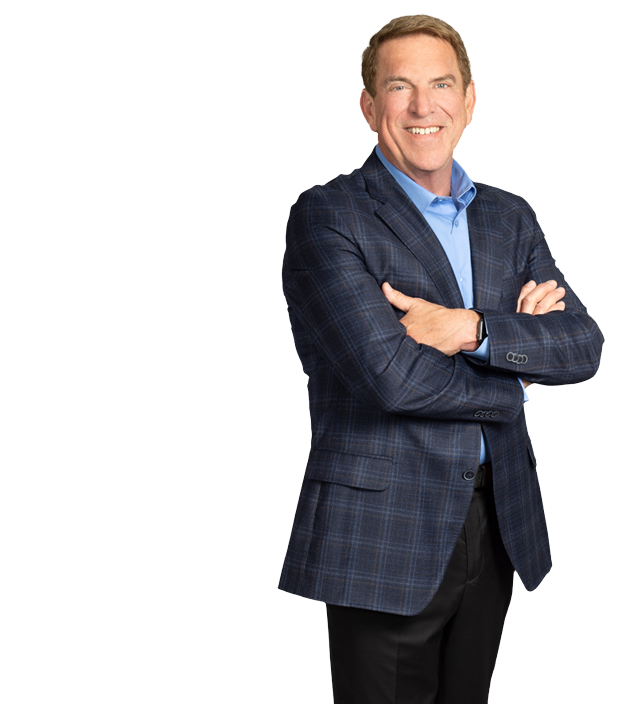
Tim Fiebig — REALTOR® | The Fiebig Team at eXp Realty
Tim Fiebig has spent more than 30 years guiding East Bay families through changing real estate markets. His local experience includes Castro Valley, Alamo, Danville, San Ramon, Walnut Creek, and surrounding communities.
Tim helps buyers understand not only what they may qualify to purchase, but also how to make decisions that support their long-term financial goals.
📱 510.708.8700
✉️ [email protected]
🌐 timfiebig.com