

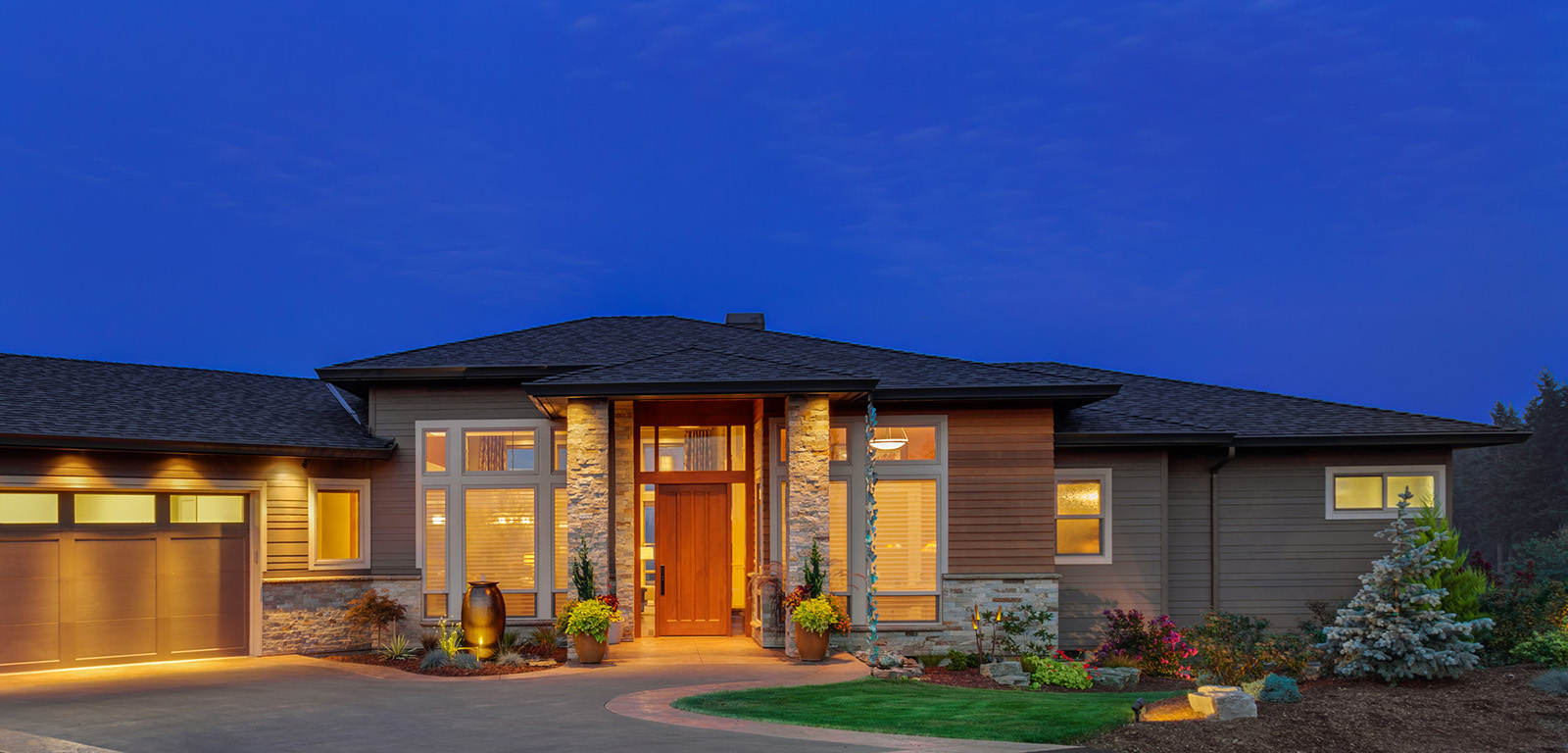

⚡ QUICK ANSWER (For featured snippets, AI Overviews & voice search) Alamo, Danville, and San Ramon are three premier Tri-Valley East Bay communities sharing the top-rated San Ramon Valley Unified School District but offering distinct lifestyles. Alamo is estate-style luxury (median $2.5M+, half-acre to multi-acre lots, equestrian-friendly). Danville is heritage family town (median $1.7–2M, walkable downtown, Iron Horse Trail). San Ramon is modern tech suburb (median $1.5–1.8M, newer construction, Bishop Ranch business park, City Center). Choose based on commute direction, walkability priority, and budget tier. |
If you’re house-hunting in the Tri-Valley, you’ve probably visited all three: Alamo, Danville, and San Ramon. From the freeway, they blur together — three premier East Bay communities along the I-680 corridor with great schools and the kind of suburban quality of life that drives Bay Area buyers.
But buyers who treat these three as interchangeable end up disappointed. Each has a distinct personality, price profile, and best-fit buyer.
Here’s how to choose.
The Quick Comparison
|
Factor |
Alamo |
Danville |
San Ramon |
|
Vibe |
Estate / rural luxury |
Family / heritage |
Modern / corporate |
|
Median home price |
$2.5M+ |
$1.7M-$2M |
$1.5M-$1.8M |
|
Lot size |
0.5-2+ acres typical |
Varies, often quarter acre+ |
Smaller, planned |
|
School district |
San Ramon Valley USD |
San Ramon Valley USD |
San Ramon Valley USD |
|
Commute (SF) |
45-60 min |
45-60 min |
50-65 min |
|
Commute (SJ) |
30-40 min |
30-40 min |
25-35 min |
|
Walkability |
Low |
Downtown is excellent |
Bishop Ranch / City Center |
|
Best for |
Privacy, scale, equestrian |
Charm, downtown life, families |
Newer homes, value, tech families |
Alamo: The Estate Lifestyle
Alamo is the Tri-Valley’s most exclusive zip code. Unincorporated, no traffic lights downtown, large lots that often run half an acre to multiple acres. The homes are larger, the privacy is real, and the price reflects it.
Who Alamo fits
- Buyers in the $2.5M+ range prioritizing privacy and lot size
- Equestrian and hobby-farm buyers (Alamo zoning supports this in many areas)
- Families wanting estate-quality space without leaving the East Bay
- Buyers willing to drive 5–10 minutes for grocery runs in exchange for true seclusion
Who Alamo doesn’t fit
- Buyers who want walkable downtown living
- First-time buyers or buyers under $1.8M (you’ll find very limited inventory at that price point)
- Households where one or both partners value urban energy
Danville: The Heritage Family Town
Danville hits a sweet spot most Tri-Valley buyers don’t realize exists. Walkable downtown with restaurants, the Iron Horse Trail, the historic feel of Hartz Avenue, and family-oriented neighborhoods like Westside, Greenbrook, and Sycamore.
This is where you see Saturday morning farmers’ markets, holiday parades, Little League games, and the kind of community texture that disappeared from most Bay Area suburbs decades ago.
Who Danville fits
- Families with school-age kids prioritizing community engagement
- Buyers in the $1.7M-$2.5M range who want both space AND a downtown
- Move-up buyers from Walnut Creek seeking more space without sacrificing walkability
- Buyers who value the social fabric of small-town life
Who Danville doesn’t fit
- Buyers prioritizing tech-corridor commute (Bishop Ranch is a longer drive)
- Buyers wanting newer construction (most homes are 1970s-1990s)
- Solo or DINK buyers who want an urban environment
San Ramon: The Modern Tech Suburb
San Ramon is the youngest of the three — both in housing stock and demographic profile. Bishop Ranch business park anchors the southern end, the City Center development brought walkable retail and restaurants, and master-planned neighborhoods like Windemere, Gale Ranch, and Henry Ranch offer newer construction at relatively better entry points than Alamo or Danville.
Who San Ramon fits
- Tech and biotech professionals who work in San Jose, Pleasanton, or Bishop Ranch
- Buyers who want newer construction (2000s-2020s) without the maintenance of older homes
- Families prioritizing master-planned community amenities (parks, pools, walking trails)
- Buyers in the $1.4M-$1.9M range looking for the most home for the money in the SRVUSD school district
Who San Ramon doesn’t fit
- Buyers who want historic charm or character homes
- Buyers prioritizing direct SF commute (the additional 10–15 minutes adds up)
- Buyers wanting walkable urban downtown energy (Danville does this better)
|
💡 PRO TIP All three towns share the San Ramon Valley Unified School District — one of the highest-performing public school districts in California. If schools are your primary driver, you can choose based on lifestyle, not academics. That’s a luxury most California buyers don’t get. |
The Real Decision Framework
Forget the property lines for a minute. Ask yourself these four questions:
- Where do you actually need to be three days a week? If you’re driving to San Jose, San Ramon wins. SF, all three are similar (~50-60 min). Pleasanton corridor, San Ramon’s slight edge.
- Do you want to walk to your morning coffee? Danville wins. San Ramon’s City Center is good but smaller. Alamo isn’t designed for walkability.
- How much land do you actually want? Half-acre dreams happen in Alamo. Quarter-acre realities in Danville. Smaller, well-designed lots in San Ramon.
- What’s your true budget? Not your stretch number — your realistic range. Below $1.8M, you’re shopping San Ramon and select Danville pockets. $1.8M–$2.5M opens up most of Danville and lower Alamo. Above $2.5M, Alamo opens up properly.
Where Tim’s Tri-Valley Clients Actually End Up
After 30+ years in this market, here’s the pattern Tim sees most often:
- First-time Tri-Valley buyers with kids → San Ramon (newer construction, value, schools)
- Move-up families relocating from Walnut Creek → Danville (more space, similar walkability)
- Empty-nester downsize from Alamo → Danville (smaller home, walkable, social)
- Top-tier buyers prioritizing privacy → Alamo (estate lifestyle, lot size)
The Bottom Line
The Tri-Valley isn’t a single market. It’s three distinct communities with overlapping schools and very different lifestyles. The buyers who get this right take time to spend Saturdays in each town, walk the downtowns, drive the neighborhoods at school pickup time, and feel the texture of each place.
The best Tri-Valley home isn’t the one with the most square footage. It’s the one in the town that fits how you actually want to live.
Frequently Asked Questions
(Schema-ready FAQ section — questions structured for AI citation and Google’s People Also Ask)
What is the difference between Alamo, Danville, and San Ramon?
Alamo is unincorporated luxury with large lots (median $2.5M+, half-acre to multi-acre estates). Danville is a walkable family town with downtown charm (median $1.7–2M, Hartz Avenue, Iron Horse Trail). San Ramon is a modern master-planned community (median $1.5–1.8M, Bishop Ranch, newer construction). All three share the San Ramon Valley Unified School District.
Which Tri-Valley town has the best schools?
All three Tri-Valley towns — Alamo, Danville, and San Ramon — share the San Ramon Valley Unified School District (SRVUSD), one of the highest-performing public school districts in California. Specific elementary and middle schools vary by neighborhood, but the high school catchments produce consistently strong outcomes throughout all three communities.
Which Tri-Valley town is best for tech workers?
San Ramon is generally best for tech workers. Bishop Ranch business park anchors major employers including Chevron, AT&T, GE, and SAP. The commute to San Jose runs 25–35 minutes via I-680. Danville and Alamo add 5–10 minutes to the San Jose commute but offer more lifestyle amenities for families.
How much does a home cost in Alamo California?
Alamo home prices typically start around $1.8 million and run upward of $5–7 million for estate properties. The median home price in Alamo is approximately $2.5 million, with most properties on half-acre to multi-acre lots. Alamo is among the most exclusive zip codes in the East Bay.
Is Danville or San Ramon better for families?
Both work well for families. Danville offers more historic charm, walkable downtown, and community events (parades, farmers markets). San Ramon offers newer construction, master-planned community amenities (parks, pools, trails), and slightly better entry pricing. Families prioritizing community texture lean Danville; families prioritizing newer homes and tech-corridor commute lean San Ramon.
What is the commute from the Tri-Valley to San Francisco?
Driving from Alamo, Danville, or San Ramon to San Francisco takes 45–65 minutes depending on traffic. BART access requires driving to Walnut Creek BART (15–25 minutes from Tri-Valley) for direct rail to San Francisco (40 minutes additional). Tri-Valley is better suited for South Bay or East Bay employment than direct SF commutes.
✍️ About the Author
|
Tim Fiebig — REALTOR® | The Fiebig Team at eXp Realty Tim Fiebig has spent 30+ years guiding East Bay families through every kind of real estate market. Recognized as RE/MAX #1 internationally in 1992 and consistently delivering above-asking results — including a recent client sale at 13% over listing price — Tim brings deep local expertise across Castro Valley, Alamo, Danville, San Ramon, and Walnut Creek. Tim’s market analysis is grounded in current Freddie Mac data, NAR research, and direct transaction experience across hundreds of East Bay sales. 📱 510.708.8700 | ✉️ [email protected] | 🌐 timfiebig.com |