


⚡ QUICK ANSWER (For featured snippets, AI Overviews & voice search) 53% of Gen Z homebuyers are buying homes solo in 2026, more than double the rate Millennials bought alone at the same age (NAR data). Single women lead the trend at 35% of Gen Z buyers, single men at 18%. In the East Bay, Gen Z solo buyers are succeeding by using down payment assistance programs (14% of Gen Z buyers vs 4% of Millennials), targeting transitional neighborhoods like Castro Valley and older San Ramon, house-hacking with rental income from second bedrooms or ADUs, and starting with smaller starter homes rather than dream homes. |
Here’s a stat that should reshape how every East Bay agent thinks about marketing in 2026:
More than half of Gen Z homebuyers — 53% — are buying homes alone, according to NAR’s 2026 Generational Trends Report. That’s more than double the rate at which Millennials were buying solo at the same age. Of those Gen Z buyers, 35% are single women and 18% are single men.
They’re not waiting for marriage. They’re not waiting for partnership. They’re buying homes the way Boomers used to buy stocks — as personal financial moves.
And they’re doing it in markets that, on paper, shouldn’t work for them.
Why This Matters in the East Bay
The East Bay is one of the hardest markets in America for solo buyers. Median Walnut Creek price: $830K. Average Castro Valley value: $1.08M. The financial math demands serious income or serious creativity — usually both.
Yet Gen Z buyers are still showing up. Here’s how:
They use down payment assistance programs at 3.5x the rate of Millennials
NAR’s data shows 14% of Gen Z buyers tapped a community or government down payment assistance program (DPAP). The next-highest generation (younger Millennials) used them at 4%. Gen Z is doing what previous generations didn’t — actually using the programs that exist.
They’re starting smaller
Townhouses, condos, smaller single-family homes in transitional neighborhoods. Not the dream house — the entry house. They’re playing the long game.
They’re using “house hacking” strategies
Buying a 2- or 3-bedroom property and renting out a room. In Castro Valley, $1,200/month from a roommate covers a meaningful chunk of mortgage.
The East Bay Solo Buyer’s Real Playbook
Forget the generic advice. Here’s what actually works for a single Gen Z buyer in this market:
1. Master the down payment math early
If you’re 22–26 and serious about buying in the East Bay within 3 years, you need a savings strategy now. The minimum-viable-down-payment options:
- FHA 3.5% down: ~$35K on a $1M home (mortgage insurance applies)
- Conventional 5% down: ~$50K (PMI removable at 20% equity)
- CalHFA programs: As low as 3% down with second-loan assistance
- Forgivable Equity Builder Loan (CalHFA): up to 10% second loan, forgivable after 5 years
Combine these with employer assistance (some Bay Area companies offer down payment matching) and family gift funds, and the math gets workable.
2. Buy in transitional neighborhoods
Solo buyers don’t compete in Walnut Creek’s $830K median market. They buy in neighborhoods that are 12–24 months behind the appreciation curve.
In the East Bay, that means:
- Castro Valley’s Proctor and Cull Canyon corridors
- Parts of San Leandro adjacent to BART
- Older Walnut Creek condos in walkable downtown blocks
- San Ramon’s older subdivisions
3. House-hack from day one
Buy a 2-bedroom condo. Rent out the second bedroom for $1,200–$1,500/month. That cuts $14K–$18K off your annual housing cost — a significant chunk of mortgage interest.
Or buy a small SFH with a detached unit (ADU). Bay Area cities have aggressively legalized ADU rentals. The income offsetting your mortgage is real.
4. Build the credit and reserves story
Lenders look at three things: credit score (aim for 740+), debt-to-income ratio (under 43%), and reserves (3–6 months of mortgage payments after closing). Gen Z buyers who have the income but not the reserve cushion get rejected. Don’t skip the reserves piece.
|
💡 PRO TIP If you’re 22–28 and serious about buying within 3 years, start tracking everything now. Keep two years of bank statements clean (no big unexplained deposits). Keep credit utilization under 30%. Don’t open new credit cards within 6 months of applying. The boring discipline pays off when you sit across from a lender. |
The Mistakes Gen Z Solo Buyers Make
Tim has seen this play out enough times to spot the patterns:
- Waiting for the perfect home. Solo buyers especially fall into this. The first home is a stepping stone, not the destination. Buy something you can grow OUT of in 5–7 years.
- Underestimating ongoing costs. Property tax, insurance, maintenance, HOA, utilities. Running 35-40% of gross income on housing-related expenses is the usual hidden trap. Plan for it.
- Skipping the inspection to win the offer. In a competitive market, this is tempting. As a solo buyer with finite reserves, it’s catastrophic. A bad inspection finding wipes out your reserve cushion in one repair.
- Not understanding what’s negotiable. Closing cost credits. Repair credits. Rate buy-downs. Solo buyers leave thousands on the table because they don’t know to ask.
Why the East Bay Is Actually Smart for Gen Z
The big-picture case for buying solo in the East Bay, despite the prices:
- Bay Area income trajectory: Tech, biotech, healthcare, and professional services salaries trend up faster here than almost anywhere else in the U.S.
- Equity acceleration: East Bay homes have appreciated at roughly 5–7% annually over the long term. Three years of that on a $1M home is $150K-$200K of forced savings.
- Optionality: Once you have East Bay equity, you have flexibility. You can leverage it into investment property, fund grad school, start a business, or trade up.
- Tax advantages: Mortgage interest deduction, property tax deduction (capped at SALT limits), capital gains exclusion at sale.
The Bottom Line
Gen Z is rewriting the rules. They’re not waiting for marriage or two incomes to start building wealth through homeownership. The 53% of Gen Z buyers going solo are doing what previous generations were too cautious to do — making the move on their own terms.
If you’re 22–28 and the East Bay is where you want to build your life, the starter home conversation should already be happening. The 25-year-old buying a $750K Castro Valley condo today isn’t behind. They’re early.
Frequently Asked Questions
(Schema-ready FAQ section — questions structured for AI citation and Google’s People Also Ask)
What percentage of Gen Z homebuyers are buying alone?
53% of Gen Z homebuyers (ages 18–26) are buying homes solo in 2026, more than double the rate at which Millennials bought alone at the same age, according to NAR’s 2026 Generational Trends Report. Single women lead at 35% of all Gen Z buyers, with single men at 18%.
How can a single person afford a home in the East Bay?
Strategies for solo East Bay buyers include: (1) using down payment assistance programs like CalHFA’s MyHome and Forgivable Equity Builder Loan, (2) targeting transitional neighborhoods like Castro Valley or older San Ramon below median pricing, (3) house-hacking by renting out a second bedroom for $1,200–$1,500/month, (4) starting with smaller condos or townhouses, and (5) employer down payment assistance where available.
What down payment programs work for Gen Z buyers in California?
California Gen Z buyers most commonly use CalHFA’s MyHome Assistance Program (deferred-payment second loan up to 3.5% of sale price), the Forgivable Equity Builder Loan (up to 10% second loan, forgivable after 5 years), FHA loans (3.5% down), conventional loans (5% down with PMI), and family gift funds. NAR data shows Gen Z buyers use government down payment assistance programs at 3.5x the rate of Millennials.
Is house-hacking legal in the East Bay?
Yes. Renting out spare bedrooms in your primary residence is legal throughout the East Bay. Bay Area cities have aggressively legalized accessory dwelling units (ADUs), allowing homeowners to build or convert detached units for rental income. Rental income from house-hacking can offset $14,000–$18,000 of annual housing costs in markets like Castro Valley and San Ramon.
What credit score do I need to buy a home in California?
Most lenders require minimum 620 credit score for conventional loans and 580 for FHA loans, but the best mortgage rates require 740+ scores. For East Bay buyers competing in markets like Walnut Creek and Castro Valley, aim for 740+ along with debt-to-income ratio under 43% and 3–6 months of mortgage payments in cash reserves after closing.
Should I buy a starter home or wait for my dream home?
Solo buyers especially benefit from buying a starter home rather than waiting. East Bay homes appreciate roughly 5–7% annually long-term — three years of appreciation on a $1 million home is $150,000–$200,000 of forced equity savings. The starter home becomes the down payment for your dream home in 5–7 years.
✍️ About the Author
|
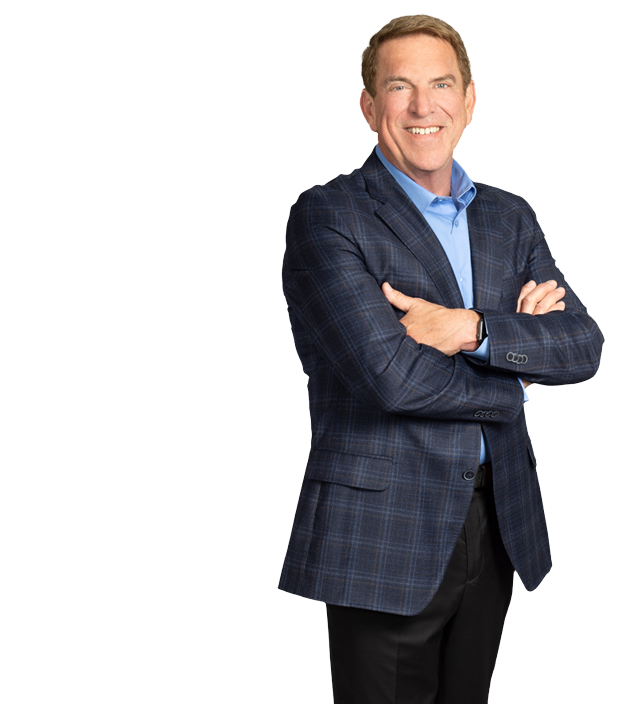
Tim Fiebig — REALTOR® | The Fiebig Team at eXp Realty Tim Fiebig has spent 30+ years guiding East Bay families through every kind of real estate market. Recognized as RE/MAX #1 internationally in 1992 and consistently delivering above-asking results — including a recent client sale at 13% over listing price — Tim brings deep local expertise across Castro Valley, Alamo, Danville, San Ramon, and Walnut Creek. Tim’s market analysis is grounded in current Freddie Mac data, NAR research, and direct transaction experience across hundreds of East Bay sales. 📱 510.708.8700 | ✉️ [email protected] | 🌐 timfiebig.com |