


⚡ QUICK ANSWER (For featured snippets, AI Overviews & voice search) The mortgage ‘lock-in effect’ — homeowners refusing to sell because they’re locked into 2.75–3.5% mortgages — is finally breaking in 2026. Baby Boomers now represent 55% of all home sellers (NAR 2026 data), driven by life events (retirement, downsizing, family relocation) overriding the financial logic of staying put. California Proposition 19 lets homeowners 55+ transfer their property tax base, removing a major barrier to in-state moves. CAR forecasts active California listings up 10% in 2026, with East Bay inventory beginning to rise visibly through spring. |
For the past two years, the dominant story in real estate has been the lock-in effect.
Homeowners with 2.75–3.5% mortgages refused to sell. Why would they? Trading a 3% mortgage for a 6.5% one feels financially absurd. So they stayed put. Inventory dropped to historic lows. Markets froze. Buyers had nothing to choose from. Sellers held their cards.
That’s finally changing — and the consequences for the East Bay market in 2026 are significant.
The Numbers Tell the Story
National data from NAR’s 2026 Home Buyers and Sellers Generational Trends Report shows the inflection:
- Boomers are now 55% of all home sellers — the highest share of any generation
- Boomer sellers had owned their homes for a median of 14–15 years
- Boomers are 42% of home buyers — many rolling decades of equity into their next home
- Millennial buyers dropped to 26% from 29% the prior year
- First-time buyers fell to a record-low 21%
In California specifically, CAR forecasts active listings up 10% in 2026. Redfin counted 85,159 California homes for sale in January 2026, up significantly from prior years even as new listings still trail historical norms.
In the East Bay, the effect is uneven but visible. Walnut Creek inventory is creeping up. Castro Valley listings have ticked higher. Tri-Valley luxury is seeing fresh listings monthly.
Why Sellers Are Finally Moving
Three forces are overriding the financial logic of staying put:
1. Life events don’t wait
Retirement timing. Empty nest. Aging parents. Family relocations. Health considerations. Death of a spouse. None of these wait for mortgage rates to drop.
Boomers in particular are at life stages where moving isn’t optional — it’s the next chapter. The 2.75% mortgage that felt like an asset becomes a constraint when staying in a 4-bedroom Alamo home no longer matches the life you actually want.
2. Equity at all-time highs
East Bay homeowners who bought in 2010 are sitting on $700K–$1.5M+ of equity. Even after factoring in capital gains tax and a higher mortgage rate on the next home, the math often works — especially for downsizers who can pay cash for their smaller next home.
CalHFA’s Prop 19 lets homeowners 55+ transfer their property tax base to a replacement home anywhere in California, removing one of the biggest barriers to in-state moves. This single tool changed the calculation for thousands of California Boomers.
3. Rate expectations have re-set
For two years, sellers waited for rates to return to 4%. They didn’t. As 2026 has progressed, the realization is settling in: sub-5% mortgages may not happen for years. Maybe ever, given current inflation dynamics.
Sellers who were waiting for a financial reason to move are now accepting that the wait was the cost. They’re moving anyway.
What This Means for East Bay Buyers
More inventory = better choices. Three implications:
- Spring 2026 is your last competitive-but-manageable window. As more inventory comes online through summer, competition will ease somewhat — but so will any leverage you have to negotiate. Cash Boomer buyers will continue to dominate.
- Wider geographic search becomes viable. With more listings in Castro Valley, Walnut Creek, San Ramon, Alamo, Danville, and surrounding markets, you can be more selective about location, school district, and home features.
- Inspection and contingency leverage returns. As inventory rises, the most aggressive contingency-waiver dynamics ease. You can buy more responsibly without losing every offer.
What This Means for East Bay Sellers
More inventory = more competition. Three implications:
- List sooner rather than later. By August, you’ll be competing against more listings. Spring’s relative scarcity is your friend.
- Pre-listing prep matters more than ever. As buyers have more options, they’ll skip homes that aren’t move-in ready. The investment in paint, staging, and minor updates pays back larger now than it will in 6 months.
- Pricing strategy becomes critical. Aggressive below-comp pricing to drive competition still works in Walnut Creek and Tri-Valley luxury. In balanced markets like Castro Valley, accurate at-market pricing wins.
|
💡 PRO TIP Boomer downsizers and equity-rich move-up buyers are the strongest force in the East Bay market right now. If you’re listing your home, your ideal buyer is probably a Boomer paying cash or putting 50%+ down. Stage for that buyer. Price for that buyer. Their priorities (move-in ready, fewer maintenance issues, single-story preferred for some) should shape your prep. |
The Long-Term View
The lock-in effect was always a temporary distortion. Markets clear eventually. Life moves on. Equity accumulates. Sellers list.
What 2026 represents is the unwind beginning in earnest. We’re not back to 2019 inventory levels — and probably won’t be for years. But the freezer is thawing.
For buyers, this is good news. For sellers, the timing question matters more than ever — list before the wave gets larger, prep thoroughly, price strategically. For homeowners watching from the sidelines, the strategic question is: “Is now the moment that matches my life, regardless of mortgage rates?”
That’s a different question than “Should I sell?” And it’s the right one to be asking.
The Bottom Line
The mortgage lock-in effect dominated real estate from 2022 through 2025. In 2026, it’s breaking — driven by Boomer life events, accumulated equity, and the realization that waiting for low rates isn’t a viable strategy.
The East Bay market is shifting from “frozen” to “thawing.” Buyers, sellers, and homeowners watching from the sidelines all need to update their playbook to match.
Frequently Asked Questions
(Schema-ready FAQ section — questions structured for AI citation and Google’s People Also Ask)
What is the mortgage lock-in effect?
The mortgage lock-in effect describes homeowners who refuse to sell because their existing mortgage rate (often 2.75–3.5% from 2020–2022) is dramatically lower than current rates (6.30% in May 2026). Trading a low-rate mortgage for a high-rate one increases monthly payments significantly, freezing inventory and reducing housing market activity.
Is the lock-in effect breaking in 2026?
Yes. Multiple data points confirm the unwind: Baby Boomers now represent 55% of all home sellers (highest in NAR records), California Association of Realtors forecasts 2026 active listings up 10%, and East Bay inventory is visibly rising in markets like Walnut Creek, Castro Valley, and the Tri-Valley. Life events are overriding the financial logic of staying put.
Why are Boomers selling despite low mortgage rates?
Boomers are selling because life events don’t wait for interest rates: retirement timing, empty nest decisions, aging parents, family relocations, health considerations, and the death of a spouse. Many Boomers also have substantial equity ($700K–$1.5M+ in the East Bay) that can be paid as cash on a downsizing purchase, making the higher mortgage rate irrelevant.
How much will inventory increase in 2026?
The California Association of Realtors forecasts active listings up roughly 10% statewide in 2026. Redfin counted 85,159 California homes for sale in January 2026, up significantly from 2024–2025 lows. East Bay inventory increases will be uneven — Walnut Creek and Tri-Valley luxury will see modest increases while Castro Valley sees larger inventory expansion.
Will home prices drop as inventory rises?
Most economists do not expect significant price drops in 2026. Demand remains strong (purchase applications up 20%+ YoY), inventory is rising from historic lows but remains below long-term averages, and equity-rich Boomer buyers continue paying cash or putting large down payments. Modest price moderation in some segments is possible; broad price drops are not the consensus outlook.
What does Prop 19 do for California home sellers?
California Proposition 19 (passed 2020) allows homeowners age 55+ to transfer their existing property tax base to a replacement home anywhere in California, up to three times in a lifetime. For longtime East Bay homeowners with low 1980s–1990s assessed values, Prop 19 saves $10,000–$25,000 per year in property taxes for decades, removing a major financial barrier to downsizing or relocating in-state.
✍️ About the Author
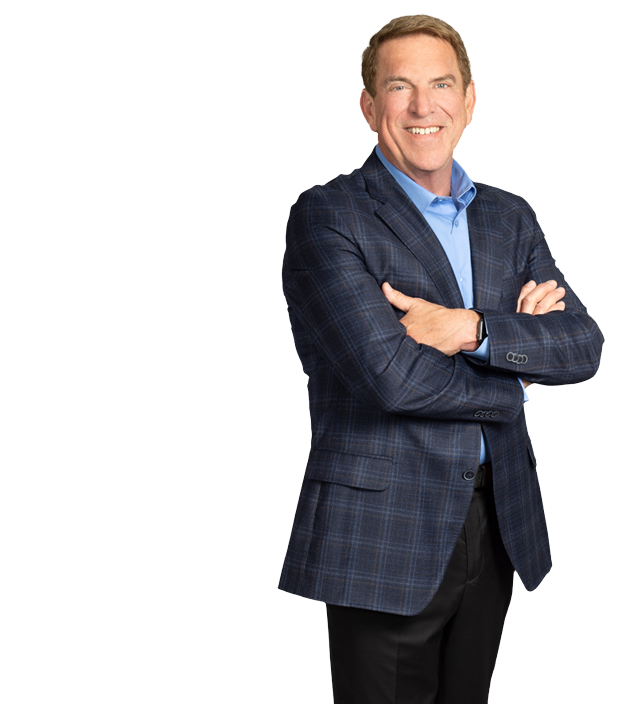
Tim Fiebig — REALTOR® | The Fiebig Team at eXp Realty
Tim Fiebig has spent 30+ years guiding East Bay families through every kind of real estate market. Recognized as RE/MAX #1 internationally in 1992 and consistently delivering above-asking results — including a recent client sale at 13% over listing price — Tim brings deep local expertise across Castro Valley, Alamo, Danville, San Ramon, and Walnut Creek.
Tim’s market analysis is grounded in current Freddie Mac data, NAR research, and direct transaction experience across hundreds of East Bay sales.
📱 510.708.8700 | ✉️ [email protected] | 🌐 timfiebig.com